
How Claude Became My Marketing Playbook
For a long time, I struggled with marketing strategy.
Not because I didn’t understand marketing, but because I couldn’t find a clear system that worked for me.
I tried several approaches. I read articles, watched videos, and even attempted to schedule sessions with a marketing strategist. Unfortunately, I never got a response.
At some point, I decided to try something different.
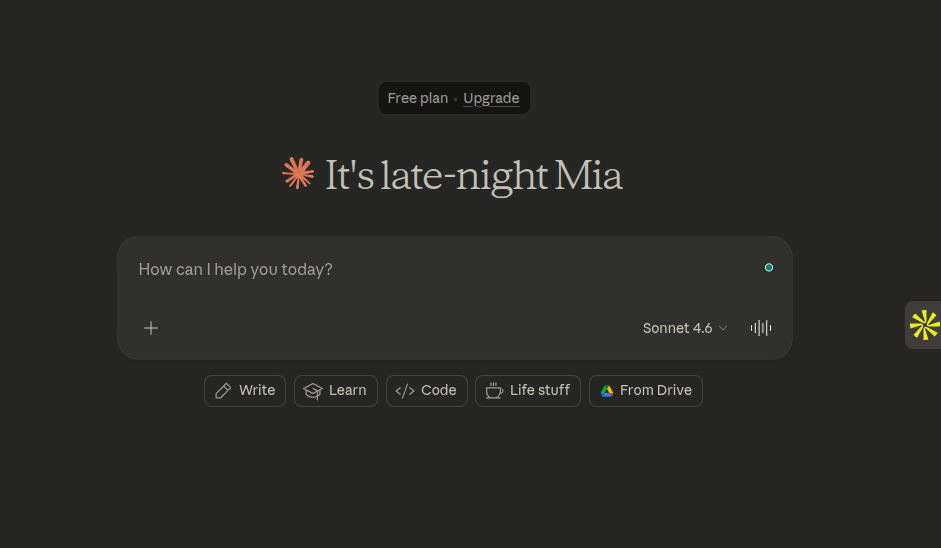
I opened Claude and asked it a simple question: “How should I market my startup?” then decided to give a detailed explanation of what I do and how I have been solving it.
eventually, I got...
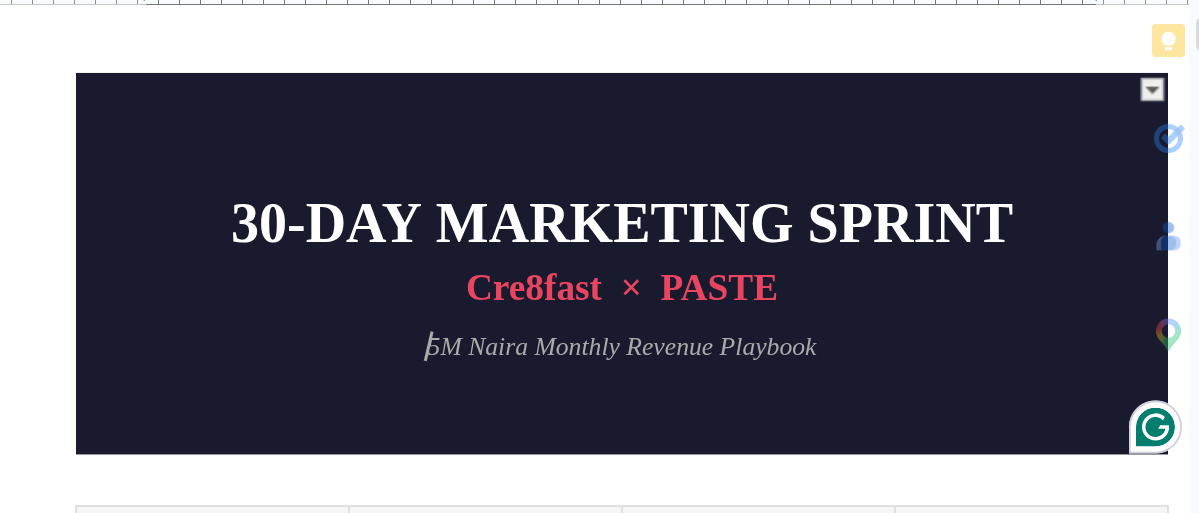
A 2-hour daily system I could follow for 30 days.
And the best part? I could repeat the same system every month.
This Is Not About Content or Awareness
Many founders think marketing means posting content every day.
That’s not always the goal.
Content can help, but it does not automatically bring customers.
This playbook focuses on something more important: generating leads that convert.
Because, as a founder, one skill you must learn early is how to sell.
You don’t always need to be physically in front of customers to convert them. If your product clearly solves a problem, and you communicate that properly, people will buy.
The real challenge is putting your product in front of the right people consistently.
That’s what the playbook helped me do.
The 2-Hour Daily Founder Marketing System
Claude broke the process into something simple: two hours every day.
No overwhelm. No complicated frameworks.
Just focused execution.
Here’s how the structure looks.
1. Market Discovery (30 minutes)
The first step every day is understanding your market better.
This means identifying:
• Who your ideal users are
• Where they spend time online
• What problems do they talk about
• What tools they currently use
You can find this information on platforms like:
• X (Twitter)
• Reddit
• LinkedIn
• Product Hunt
• Indie Hackers
The goal here is not to promote anything yet.
It’s to listen and observe.
The more you understand your audience, the easier selling becomes.
2. Lead Identification (30 minutes)
Once you know where your audience is, the next step is identifying potential leads.
This includes:
• Founders building related products
• People complaining about the problem you solve
• Companies that could benefit from your solution
• Communities discussing the problem
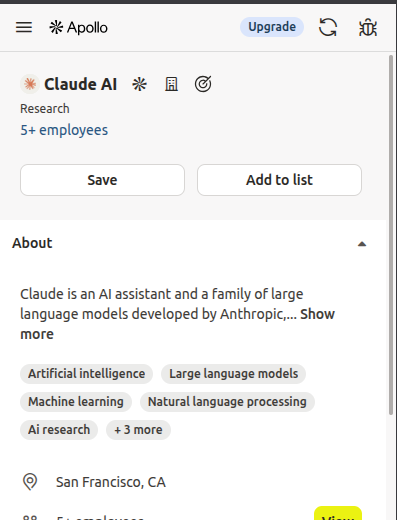
You can also use tools like Apollo or Hunter to find relevant contacts.
At this stage, you’re simply building a list of potential customers or collaborators.
3. Direct Outreach (30 minutes)
This is where most founders hesitate.
But outreach is one of the fastest ways to get traction.
Instead of sending generic messages, Claude helped structure outreach that feels natural.
The idea is simple:
• Start with a genuine observation
• Mention the problem they might be facing
• Introduce your solution briefly
• Invite them to try it
No long sales pitch.
Just a simple conversation starter.
Most founders skip this step because it feels uncomfortable.
But in reality, many early customers come from direct conversations.
4. Product Positioning (30 minutes)
The last part of the daily routine focuses on refining how your product is presented.
Every day you improve something:
• Your landing page copy
• Your demo explanation
• Your pitch deck story
• Your waitlist messaging
This is important because the clearer your message becomes, the easier conversion becomes.
Sometimes the product isn’t the problem.
Sometimes the problem is how the product is explained.
Why This System Works
What made this playbook useful was not just the tasks.
It was the structure.
Instead of randomly trying different marketing tactics every week, I now have a repeatable system.
Two hours every day.
Thirty days per cycle.
And each month, I review what worked and improve the process.
For early-stage founders, this kind of structure can make a huge difference.
A Reality Founders Must Accept
Marketing is not optional.
If you build something and nobody knows it exists, the product will not grow.
Founders often hope that great products automatically attract users.
Sometimes that happens.
But most of the time, growth comes from consistent effort to reach the right people.
That effort can come from content, partnerships, communities, or direct outreach.
The important thing is having a system that keeps you moving forward every day.
Final Thoughts
One interesting thing about using AI this way is that it becomes more useful over time.
Claude now understands my products, my audience, and my goals.
So every month, the playbook becomes more refined.
Instead of guessing what to do next, I simply follow the system and keep improving it.
If you’re a founder struggling with marketing strategy, you might not need another course or framework.
You might just need a clear playbook you can execute daily.
And sometimes, the simplest way to build that playbook is by asking AI the right questions.